Admin

The last five winners of the Ascot Gold Cup

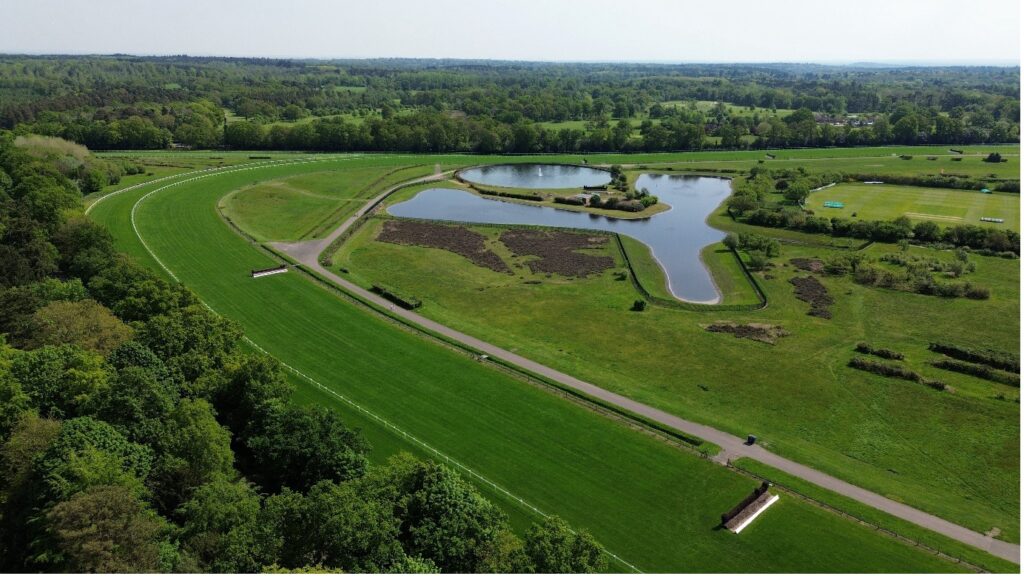
The Gold Cup is the crown jewel of Royal Ascot, drawing the finest stayers in Europe to contest two and a half miles of searching examination on Berkshire’s right-handed loop.

Run on the Thursday of the meeting, traditionally known as Ladies’ Day, the race has been decided since 1807, and its roll of honour reads like a who’s who of staying greatness. From Yeats to Stradivarius, the race rewards a rare combination of stamina, class and tactical nous.

With the ante-post markets starting to appear and Royal Ascot betting ramping up ahead of the 2026 renewal, here is a look back at the five most recent winners.

2021: Subjectivist (trainer: Mark Johnston, jockey: Joe Fanning)

Few winners in recent memory caught the racing world off guard quite like Subjectivist in 2021. Sent off at 13-2 under the radar of market confidence in the reigning three-time champion Stradivarius, the four-year-old son of Teofilo produced a display of controlled front-running that made the race look straightforward.

Joe Fanning, the quiet and composed stalwart of the Johnston yard, settled Subjectivist in second and kicked clear with half a mile remaining, leaving the field with no answer. The winning margin was five lengths, with Princess Zoe second and Spanish Mission third, while Stradivarius was left with nowhere to go and could only manage fourth.

It was a fourth Gold Cup for trainer Mark Johnston, whose previous winners in the race were Double Trigger in 1995 and Royal Rebel in 2001 and 2002.

2022: Kyprios (trainer: Aidan O’Brien, jockey: Ryan Moore)

Aidan O’Brien and Ryan Moore arrived at the 2022 renewal with a four-year-old who had shown brilliance but had yet to prove himself over the Gold Cup’s extreme distance. Kyprios, sent off the 13-8 favourite, had to work hard in a race complicated by traffic problems for Stradivarius, who was squeezed out of contention by the tightly bunched field.

Kyprios was forced wide into the home straight but found plenty when Moore pressed the button, edging clear to beat Mojo Star by half a length. Stradivarius, repeatedly denied a run, had to settle for third. It was a record-extending eighth Gold Cup triumph for O’Brien as a trainer and a third in the race for Moore in the saddle.

2023: Courage Mon Ami (trainer: John & Thady Gosden, jockey: Frankie Dettori)

The 2023 renewal arrived without the defending champion Kyprios, who was sidelined through injury, and produced a deserving winner in the Gosden-trained Courage Mon Ami.

Ridden by Frankie Dettori in what would prove one of his final big-race appearances before his celebrated career change, the six-year-old was sent off at 15-2 and produced a measured display to beat Coltrane by three-quarters of a length, with Subjectivist filling third place in a sentimental return.

The win was the sixth Gold Cup success for the Gosden yard and another example of the staying division’s remarkable depth during this period. For Dettori, it was a fitting result at a meeting that had defined so many of the great chapters of his career.

2024: Kyprios (trainer: Aidan O’Brien, jockey: Ryan Moore)

If the 2022 victory confirmed Kyprios as the best stayer in Europe, his return to the winner’s enclosure in 2024 elevated him into the company of the all-time greats. Having missed the majority of 2023 with a joint infection that, at times, had left connections uncertain whether he would survive, let alone race again, the chestnut son of Galileo arrived at Ascot following two low-key warm-up wins in Ireland.

Those who chose to bet on racing this renewal were rewarded with a narrative almost too good to be fiction. Kyprios, sent off the 11-10 favourite under Moore, tracked the front-running Trawlerman throughout before laying down his challenge in the straight.

The pair fought it out over the final furlong in a genuine battle of wills, with Kyprios prevailing by a length. It was only the third time in over 200 years that a horse had regained the Gold Cup, following in the hoofprints of Anticipation and Kayf Tara. For O’Brien, it was a record-extending ninth Gold Cup as a trainer.

2025: Trawlerman (trainer: John & Thady Gosden, jockey: William Buick)

Having been denied in the 2024 Gold Cup by Kyprios after a genuine battle up the straight, Trawlerman finally had his day in the sun in 2025. With Kyprios absent from the field, the seven-year-old Godolphin-owned entire was able to dictate on his own terms.

William Buick sent him to the front, where he had always been most comfortable, and allowed the horse to find his rhythm over the two and a half miles. The result was a front-running masterclass. According to trainer John Gosden, Buick simply gave Trawlerman the reins and trusted him to judge the pace himself.

He did so to devastating effect, winning by seven lengths in a performance that stamped him as the dominant staying force in Europe at the time. It was a fifth Gold Cup for Gosden as a trainer, second as a joint-trainer with his son Thady, and a moment of redemption for a horse who had been narrowly beaten 12 months earlier.


Key Factors That Influence Preakness Stakes Betting Odds Each Year

The Preakness Stakes holds a distinctive place in the American racing calendar. Run two weeks after the Kentucky Derby, the race brings together a mix of Derby contenders and fresh challengers hoping to make their mark in the Triple Crown series. Because the field often continues to evolve in the days leading up to the event, analysts closely examine several factors that help explain how betting odds develop each year.

Unlike many races where form lines are easier to compare, the Preakness introduces variables such as Derby recovery time, trainer strategy, and targeted preparation from fresh entrants. These elements often shape expectations as race day approaches and influence how contenders are evaluated.

Kentucky Derby Performance

One of the most significant influences on Preakness odds each year is how horses performed in the Kentucky Derby. Because the Derby is the first leg of the Triple Crown, horses that finish strongly in that race often attract early attention ahead of the Preakness. In several recent seasons, Derby winners have entered the Preakness as leading contenders. For example, Justify (2018) and American Pharoah (2015) both won the Kentucky Derby before capturing the Preakness on their way to Triple Crown victories.

However, strong Derby performances do not always guarantee similar results two weeks later. The short turnaround between races can influence how well horses recover physically and mentally before returning to the track. For this reason, analysts often review not only finishing positions but also how demanding the Derby effort may have been for each horse.

Horses Entering the Preakness Fresh

Another recurring factor that shapes the Preakness field involves horses that did not run in the Kentucky Derby. Some trainers choose to skip the Derby and instead target the Preakness specifically. This approach allows horses additional training time and rest before competing in Baltimore.

Historically, several Preakness winners have followed this strategy. Early Voting, for example, skipped the 2022 Kentucky Derby before winning the Preakness Stakes. Because these horses often arrive with fresher legs compared to Derby participants, analysts frequently consider whether the additional preparation time may influence the race.

Trainer and Stable Strategy

Trainer experience is another factor that can shape expectations around the Preakness field. Certain trainers have built strong reputations for preparing horses for major Triple Crown races. For instance, Bob Baffert has recorded multiple Preakness victories with horses such as Justify, American Pharoah, and Authentic.

Experienced trainers often develop strategies around how to manage the two-week gap between the Derby and Preakness. This includes training schedules, travel arrangements, and decisions about whether a horse is ready to compete again so soon. Because of these strategic considerations, trainer history often becomes part of the discussion when analysts evaluate the Preakness field.

Race Distance and Running Style

The Preakness Stakes is run at 1 3⁄16 miles, which is slightly shorter than the Kentucky Derby’s 1 1⁄4-mile distance. This difference can influence how certain horses perform.

Some horses benefit from the slightly shorter distance, particularly those that display strong early speed. Others may rely on late acceleration, which can depend heavily on how the pace develops during the race.

Pimlico’s track configuration can also play a role in shaping race strategy. According to racing analysts, early positioning often becomes important because the race features a relatively short run to the first turn compared to some other Triple Crown venues. As a result, observers often review how each horse’s running style may fit the race conditions.

Jockey Experience in Triple Crown Races

The role of the jockey can also influence expectations surrounding the Preakness. Experienced riders who have previously competed in Triple Crown races often bring valuable insight into pacing and positioning. In large, high-profile races, decisions made in the early stages can affect how the field unfolds in the final stretch.

Jockeys such as John Velazquez and Mike Smith have built extensive experience in Triple Crown events, which often attracts attention when evaluating major race contenders. Because of the importance of race tactics, jockey assignments are often closely watched when analyzing the Preakness field.

Monitoring Race Listings Before the Event

In the days leading up to the Preakness, race entries and betting markets continue to evolve as the final field is confirmed. Fans who follow the race often review race listings and contender updates to see which horses are expected to compete and how the field is shaping up ahead of race day.

Some racing enthusiasts also look at sportsbook listings where they can bet on Preakness Stakes online to view the runners entered in the race and the wagering options available. Reviewing these listings can provide a snapshot of how the field is developing in the lead-up to the event.

Post Position Draw and Final Field

One of the last major developments before the Preakness is the post position draw, which determines where each horse will start in the gate. Post position can influence how easily a horse finds its preferred position early in the race.

Horses drawn closer to the inside rail may attempt to establish early position, while those starting farther outside may require different tactics. Although post position alone rarely determines the outcome, analysts often examine how it may affect the early stages of the race.

Why These Factors Matter

The Preakness Stakes combines elements of recovery, preparation, and race strategy that are unique within the Triple Crown series. Horses arrive under different circumstances, with some competing after the demanding Kentucky Derby and others entering the race with fresh preparation.

For racing fans and analysts alike, evaluating factors such as Derby performance, trainer strategy, race distance, jockey experience, and post position can provide valuable context when reviewing the field. These elements help explain how expectations develop each year and why the Preakness continues to produce compelling storylines as the Triple Crown season unfolds.

Key Factors That Shape Grand National Odds

The movements of Grand National odds offer insights into the ever-changing landscape of betting ahead of this iconic race. While odds reflect perceived probabilities, they are shaped by a blend of information, market behaviour, and complex interplay between various participants. Understanding these dynamics can help readers interpret what these numbers are really saying about the big event.

Grand national betting odds often fluctuate significantly as the race draws closer, providing more than just predictions. They reveal shifting expectations among both bookmakers and the betting public. These odds express probability estimates rather than guarantees, encapsulating how informed opinions respond to new data and sustained attention. For those interested in strategy or tracking trends, learning how and why these shifts happen is a worthwhile pursuit.

Bookmakers’ methods for establishing early odds

When bookmakers release initial odds, they evaluate a wide set of variables, including official ratings and expected demand from bettors. Early odds are designed to attract initial wagers while balancing bookmaker exposure to potential outcomes. Bookmakers typically rely on a mix of data sources and their own expertise to shape the prices on offer.

The earliest markets can differ from those closer to race day. Early odds usually feature wider margins because of greater uncertainty and less liquidity. As the race approaches and more information becomes available, these odds are refined, reflecting not only the horses’ form but also the weight of market activity.

Past performance, conditions, and tactical implications

Several kinds of information drive price changes in the market. Horse profiles and previous performances form the basis for early assessments. Consistency, proven stamina over long distances, and a solid jumping record are highly favoured by both bookmakers and informed bettors when setting odds.

Another major influence comes from recent form in races of similar distance or over challenging fences, which offers important clues about a horse’s Grand National suitability. The way a runner finishes these contests can prompt odds shifts, especially if new stamina or jumping strengths are revealed in the lead-up period.

On race day, environmental variables play a significant role. Good or soft ground can favour certain runners over others, so bookmakers and savvy punters watch for updates on weather and going conditions. This often causes noticeable movements in the market as late-breaking information is factored into the prices.

Race shape is another significant element, as field size and likely pace dynamics can impact a horse’s ability to run its best race. For instance, a congested field raises the chance of interference or trouble in running, which can dampen support for less agile runners or those with less tactical flexibility.

Influence of trainers, jockeys, and public opinion

The human aspect should never be overlooked when considering what shapes the Grand National betting odds. Experienced jockeys, their riding styles, and tactical decisions often affect market sentiment, with regular Grand National participants seeing odds adjust as their bookings are confirmed.

Trainers’ records and their known preparation routines can also play a part in how odds are set and moved. A runner coming from a stable with a strong history in similar staying events may see its price shorten if perceived to be peaking at the right time. At the same time, the popularity and media visibility of certain runners frequently influence their odds independently of objective race logic.

Public sentiment has a powerful influence, especially in the Grand National where eye-catching stories or local favourites generate high levels of attention. As more bets flow in for popular contenders, their odds can tighten, sometimes out of proportion with their underlying win probability.

In assessing price moves, it can help to compare changes with available form and conditions. General guides on how bookmakers set odds are widely available to provide further background on this process.

Market dynamics, liquidity, and interpreting price shifts

The free flow of money in and out of the market constantly shapes odds. Large bets or a sudden surge in backing for a particular horse often cause prices to contract, while a lack of interest may see them drift. These movements are not always signals of superior information. Sometimes they reflect patterns of public enthusiasm rather than inside knowledge.

As liquidity increases closer to race time, the odds become a more accurate reflection of collective expectations. Furthermore, changes in the line-up, such as withdrawals or the declaration of non-runners, create cascading effects on available odds as bookmakers adjust for the new risk landscape and recalculate prices on remaining contenders.

Despite these market dynamics, it is important to process grand national betting odds as snapshots of prevailing collective sentiment rather than deterministic guides. Odds are helpful indicators for gauging the market’s evolving view but are not predictive certainties, and it is a common misstep to assume dramatic odds movement always equates to certain success.

While shifts in prices can hint at valuable developments, the most reliable approach is to interpret these signals within a broader context. Balanced and informed decision-making, supported by a clear understanding of what drives these movements, remains essential for anyone using the Grand National as an opportunity to engage with the betting market.

Distinct factors, ranging from horse form to market timing, all combine to shape the fluctuations seen in Grand National betting odds. Rather than being fixed predictions, these odds are dynamic reflections of how expectations and information evolve in the lead-up to the race. They frame the story of the contest as it unfolds, offering insights into which factors the betting community considers most influential at each moment.

Grand National Results 1979

March 31, 1979 turned out to be a red-letter day in the history of Scottish National Hunt racing because, on that day, Rubstic, trained by John Leadbetter in Denholm, Roxburghshire, in the Southern Uplands and ridden by Maurice Barnes, became the first Grand National winner in history to be trained north of the border. That said, Bob Davies, who won the 1978 Grand National on Lucius, a ‘spare’ ride for Gordon W. Richards, went close to repeating the dose on Zongalero, trained by Nicky Henderson, who was originally due to be ridden by Tommy Carberry.

On good to soft going, 39 runners went to post, but only seven of them completed the course. Tragically, one that didn’t was the Cheltenham Gold Cup winner, and 13/2 favourite, Alverton, trained by Peter Easterby and ridden by Jonjo O’Neill. Off just 10st 13lb, the nine-year-old appeared to hold outstanding claims, breasted Becher’s Brook on the second circuit, landed on his head, broke his neck and was killed instantly.

At the business end of the race, Rough And Tumble, ridden by John Francome, led over the final fence, but was joined, and passed, on the run-in by Zongalero and Rubstic. Inside the final furlong, aided in part by the appearance of a loose horse on the stands’ side, Rubstic asserted and, with both jockeys asking for maximum effort, went on to beat Zongalero by a length and a half. Rough And Tumble faded to finish third, five lengths away, with The Pilgarlic a gallant, but distant, fourth.

Of the other horses representing the 1978 Grand National form, Drumroan and Coolishall, who finished third and fourth, the former fell at the tenth fence and the latter at the final open ditch, four fences from home. Winning trainer Leadbitter said later, “The day he won was one of life’s better days, a magical moment, and an amazing feeling”.