The last five winners of the Ascot Gold Cup
 Admin
Admin 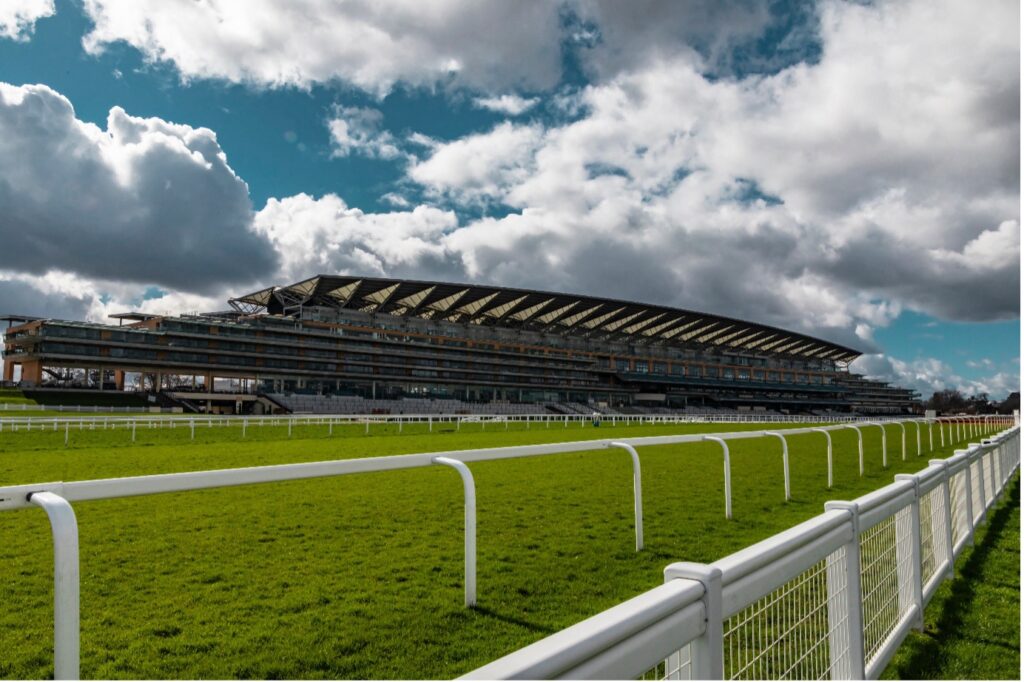 The Gold Cup is the crown jewel of Royal Ascot, drawing the finest stayers in Europe to contest two and a half miles of searching examination on Berkshire’s right-handed loop.
Run on the Thursday of the meeting, traditionally known as Ladies’ Day, the race has been decided since 1807, and its roll of honour reads like a who’s who of staying greatness. From Yeats to Stradivarius, the race rewards a rare combination of stamina, class and tactical nous.
With the ante-post markets starting to appear and Royal Ascot betting ramping up ahead of the 2026 renewal, here is a look back at the five most recent winners.
2021: Subjectivist (trainer: Mark Johnston, jockey: Joe Fanning)
Few winners in recent memory caught the racing world off guard quite like Subjectivist in 2021. Sent off at 13-2 under the radar of market confidence in the reigning three-time champion Stradivarius, the four-year-old son of Teofilo produced a display of controlled front-running that made the race look straightforward.
Joe Fanning, the quiet and composed stalwart of the Johnston yard, settled Subjectivist in second and kicked clear with half a mile remaining, leaving the field with no answer. The winning margin was five lengths, with Princess Zoe second and Spanish Mission third, while Stradivarius was left with nowhere to go and could only manage fourth.
It was a fourth Gold Cup for trainer Mark Johnston, whose previous winners in the race were Double Trigger in 1995 and Royal Rebel in 2001 and 2002.
2022: Kyprios (trainer: Aidan O’Brien, jockey: Ryan Moore)
Aidan O’Brien and Ryan Moore arrived at the 2022 renewal with a four-year-old who had shown brilliance but had yet to prove himself over the Gold Cup’s extreme distance. Kyprios, sent off the 13-8 favourite, had to work hard in a race complicated by traffic problems for Stradivarius, who was squeezed out of contention by the tightly bunched field.
Kyprios was forced wide into the home straight but found plenty when Moore pressed the button, edging clear to beat Mojo Star by half a length. Stradivarius, repeatedly denied a run, had to settle for third. It was a record-extending eighth Gold Cup triumph for O’Brien as a trainer and a third in the race for Moore in the saddle.
2023: Courage Mon Ami (trainer: John & Thady Gosden, jockey: Frankie Dettori)
The 2023 renewal arrived without the defending champion Kyprios, who was sidelined through injury, and produced a deserving winner in the Gosden-trained Courage Mon Ami.
Ridden by Frankie Dettori in what would prove one of his final big-race appearances before his celebrated career change, the six-year-old was sent off at 15-2 and produced a measured display to beat Coltrane by three-quarters of a length, with Subjectivist filling third place in a sentimental return.
The win was the sixth Gold Cup success for the Gosden yard and another example of the staying division’s remarkable depth during this period. For Dettori, it was a fitting result at a meeting that had defined so many of the great chapters of his career.
2024: Kyprios (trainer: Aidan O’Brien, jockey: Ryan Moore)
If the 2022 victory confirmed Kyprios as the best stayer in Europe, his return to the winner’s enclosure in 2024 elevated him into the company of the all-time greats. Having missed the majority of 2023 with a joint infection that, at times, had left connections uncertain whether he would survive, let alone race again, the chestnut son of Galileo arrived at Ascot following two low-key warm-up wins in Ireland.
Those who chose to bet on racing this renewal were rewarded with a narrative almost too good to be fiction. Kyprios, sent off the 11-10 favourite under Moore, tracked the front-running Trawlerman throughout before laying down his challenge in the straight.
The pair fought it out over the final furlong in a genuine battle of wills, with Kyprios prevailing by a length. It was only the third time in over 200 years that a horse had regained the Gold Cup, following in the hoofprints of Anticipation and Kayf Tara. For O’Brien, it was a record-extending ninth Gold Cup as a trainer.
2025: Trawlerman (trainer: John & Thady Gosden, jockey: William Buick)
Having been denied in the 2024 Gold Cup by Kyprios after a genuine battle up the straight, Trawlerman finally had his day in the sun in 2025. With Kyprios absent from the field, the seven-year-old Godolphin-owned entire was able to dictate on his own terms.
William Buick sent him to the front, where he had always been most comfortable, and allowed the horse to find his rhythm over the two and a half miles. The result was a front-running masterclass. According to trainer John Gosden, Buick simply gave Trawlerman the reins and trusted him to judge the pace himself.
He did so to devastating effect, winning by seven lengths in a performance that stamped him as the dominant staying force in Europe at the time. It was a fifth Gold Cup for Gosden as a trainer, second as a joint-trainer with his son Thady, and a moment of redemption for a horse who had been narrowly beaten 12 months earlier.
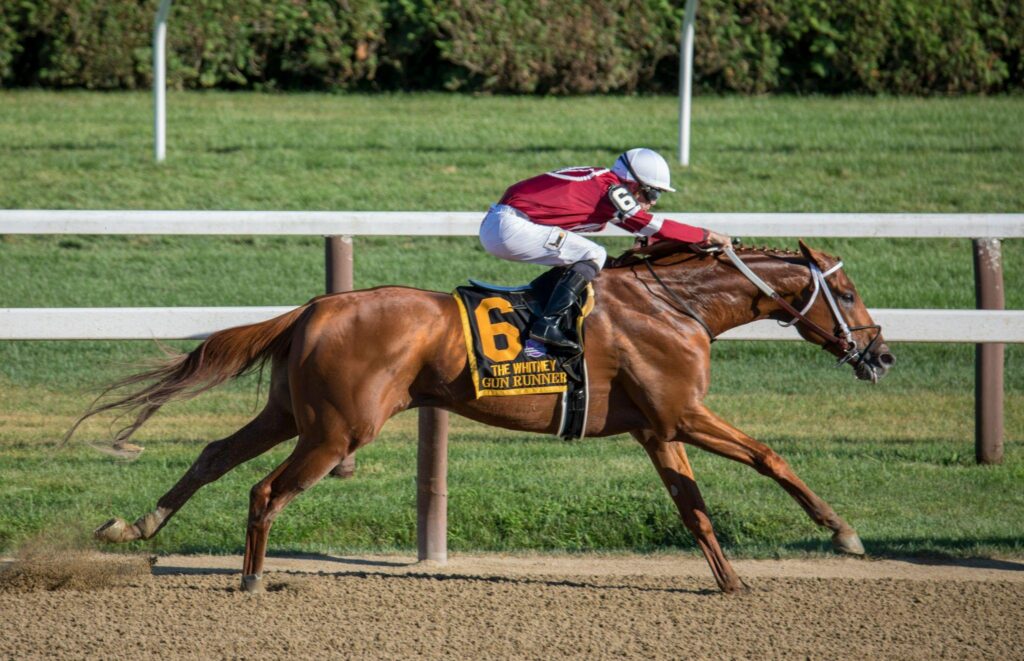 The Preakness Stakes holds a distinctive place in the American racing calendar. Run two weeks after the Kentucky Derby, the race brings together a mix of Derby contenders and fresh challengers hoping to make their mark in the Triple Crown series. Because the field often continues to evolve in the days leading up to the event, analysts closely examine several factors that help explain how betting odds develop each year.
 The movements of Grand National odds offer insights into the ever-changing landscape of betting ahead of this iconic race. While odds reflect perceived probabilities, they are shaped by a blend of information, market behaviour, and complex interplay between various participants. Understanding these dynamics can help readers interpret what these numbers are really saying about the big event.