
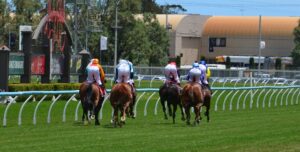
 The movements of Grand National odds offer insights into the ever-changing landscape of betting ahead of this iconic race. While odds reflect perceived probabilities, they are shaped by a blend of information, market behaviour, and complex interplay between various participants. Understanding these dynamics can help readers interpret what these numbers are really saying about the big event.
Grand national betting odds often fluctuate significantly as the race draws closer, providing more than just predictions. They reveal shifting expectations among both bookmakers and the betting public. These odds express probability estimates rather than guarantees, encapsulating how informed opinions respond to new data and sustained attention. For those interested in strategy or tracking trends, learning how and why these shifts happen is a worthwhile pursuit.
Bookmakers’ methods for establishing early odds
When bookmakers release initial odds, they evaluate a wide set of variables, including official ratings and expected demand from bettors. Early odds are designed to attract initial wagers while balancing bookmaker exposure to potential outcomes. Bookmakers typically rely on a mix of data sources and their own expertise to shape the prices on offer.
The earliest markets can differ from those closer to race day. Early odds usually feature wider margins because of greater uncertainty and less liquidity. As the race approaches and more information becomes available, these odds are refined, reflecting not only the horses’ form but also the weight of market activity.
Past performance, conditions, and tactical implications
Several kinds of information drive price changes in the market. Horse profiles and previous performances form the basis for early assessments. Consistency, proven stamina over long distances, and a solid jumping record are highly favoured by both bookmakers and informed bettors when setting odds.
Another major influence comes from recent form in races of similar distance or over challenging fences, which offers important clues about a horse’s Grand National suitability. The way a runner finishes these contests can prompt odds shifts, especially if new stamina or jumping strengths are revealed in the lead-up period.
On race day, environmental variables play a significant role. Good or soft ground can favour certain runners over others, so bookmakers and savvy punters watch for updates on weather and going conditions. This often causes noticeable movements in the market as late-breaking information is factored into the prices.
Race shape is another significant element, as field size and likely pace dynamics can impact a horse’s ability to run its best race. For instance, a congested field raises the chance of interference or trouble in running, which can dampen support for less agile runners or those with less tactical flexibility.
Influence of trainers, jockeys, and public opinion
The human aspect should never be overlooked when considering what shapes the Grand National betting odds. Experienced jockeys, their riding styles, and tactical decisions often affect market sentiment, with regular Grand National participants seeing odds adjust as their bookings are confirmed.
Trainers’ records and their known preparation routines can also play a part in how odds are set and moved. A runner coming from a stable with a strong history in similar staying events may see its price shorten if perceived to be peaking at the right time. At the same time, the popularity and media visibility of certain runners frequently influence their odds independently of objective race logic.
Public sentiment has a powerful influence, especially in the Grand National where eye-catching stories or local favourites generate high levels of attention. As more bets flow in for popular contenders, their odds can tighten, sometimes out of proportion with their underlying win probability.
In assessing price moves, it can help to compare changes with available form and conditions. General guides on how bookmakers set odds are widely available to provide further background on this process.
Market dynamics, liquidity, and interpreting price shifts
The free flow of money in and out of the market constantly shapes odds. Large bets or a sudden surge in backing for a particular horse often cause prices to contract, while a lack of interest may see them drift. These movements are not always signals of superior information. Sometimes they reflect patterns of public enthusiasm rather than inside knowledge.
As liquidity increases closer to race time, the odds become a more accurate reflection of collective expectations. Furthermore, changes in the line-up, such as withdrawals or the declaration of non-runners, create cascading effects on available odds as bookmakers adjust for the new risk landscape and recalculate prices on remaining contenders.
Despite these market dynamics, it is important to process grand national betting odds as snapshots of prevailing collective sentiment rather than deterministic guides. Odds are helpful indicators for gauging the market’s evolving view but are not predictive certainties, and it is a common misstep to assume dramatic odds movement always equates to certain success.
While shifts in prices can hint at valuable developments, the most reliable approach is to interpret these signals within a broader context. Balanced and informed decision-making, supported by a clear understanding of what drives these movements, remains essential for anyone using the Grand National as an opportunity to engage with the betting market.
Distinct factors, ranging from horse form to market timing, all combine to shape the fluctuations seen in Grand National betting odds. Rather than being fixed predictions, these odds are dynamic reflections of how expectations and information evolve in the lead-up to the race. They frame the story of the contest as it unfolds, offering insights into which factors the betting community considers most influential at each moment.