
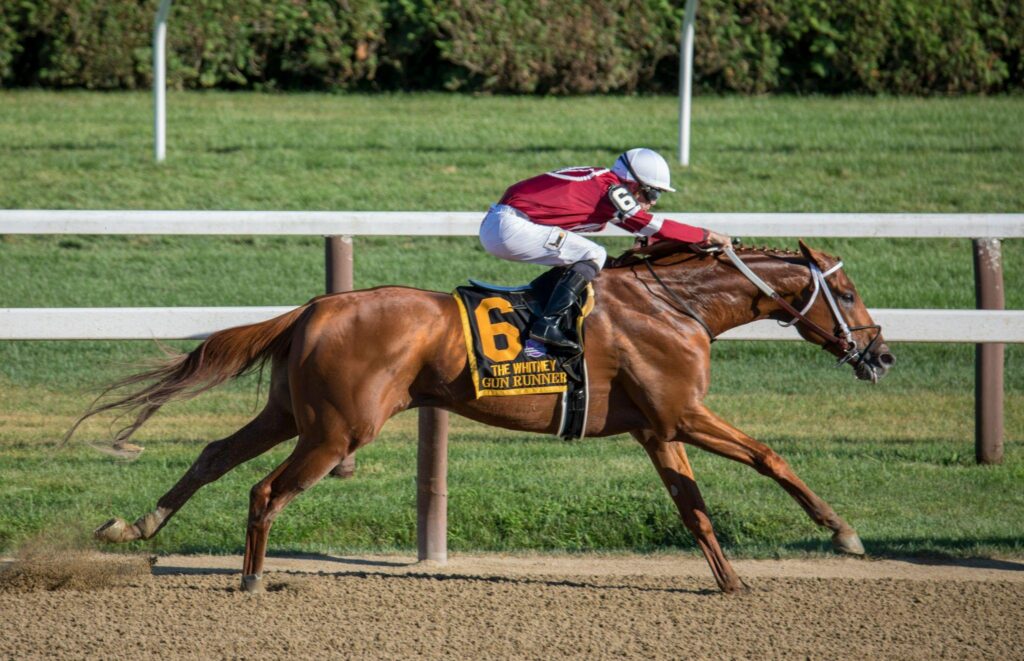
 The Preakness Stakes holds a distinctive place in the American racing calendar. Run two weeks after the Kentucky Derby, the race brings together a mix of Derby contenders and fresh challengers hoping to make their mark in the Triple Crown series. Because the field often continues to evolve in the days leading up to the event, analysts closely examine several factors that help explain how betting odds develop each year.
Unlike many races where form lines are easier to compare, the Preakness introduces variables such as Derby recovery time, trainer strategy, and targeted preparation from fresh entrants. These elements often shape expectations as race day approaches and influence how contenders are evaluated.
Kentucky Derby Performance
One of the most significant influences on Preakness odds each year is how horses performed in the Kentucky Derby. Because the Derby is the first leg of the Triple Crown, horses that finish strongly in that race often attract early attention ahead of the Preakness. In several recent seasons, Derby winners have entered the Preakness as leading contenders. For example, Justify (2018) and American Pharoah (2015) both won the Kentucky Derby before capturing the Preakness on their way to Triple Crown victories.
However, strong Derby performances do not always guarantee similar results two weeks later. The short turnaround between races can influence how well horses recover physically and mentally before returning to the track. For this reason, analysts often review not only finishing positions but also how demanding the Derby effort may have been for each horse.
Horses Entering the Preakness Fresh
Another recurring factor that shapes the Preakness field involves horses that did not run in the Kentucky Derby. Some trainers choose to skip the Derby and instead target the Preakness specifically. This approach allows horses additional training time and rest before competing in Baltimore.
Historically, several Preakness winners have followed this strategy. Early Voting, for example, skipped the 2022 Kentucky Derby before winning the Preakness Stakes. Because these horses often arrive with fresher legs compared to Derby participants, analysts frequently consider whether the additional preparation time may influence the race.
Trainer and Stable Strategy
Trainer experience is another factor that can shape expectations around the Preakness field. Certain trainers have built strong reputations for preparing horses for major Triple Crown races. For instance, Bob Baffert has recorded multiple Preakness victories with horses such as Justify, American Pharoah, and Authentic.
Experienced trainers often develop strategies around how to manage the two-week gap between the Derby and Preakness. This includes training schedules, travel arrangements, and decisions about whether a horse is ready to compete again so soon. Because of these strategic considerations, trainer history often becomes part of the discussion when analysts evaluate the Preakness field.
Race Distance and Running Style
The Preakness Stakes is run at 1 3⁄16 miles, which is slightly shorter than the Kentucky Derby’s 1 1⁄4-mile distance. This difference can influence how certain horses perform.
Some horses benefit from the slightly shorter distance, particularly those that display strong early speed. Others may rely on late acceleration, which can depend heavily on how the pace develops during the race.
Pimlico’s track configuration can also play a role in shaping race strategy. According to racing analysts, early positioning often becomes important because the race features a relatively short run to the first turn compared to some other Triple Crown venues. As a result, observers often review how each horse’s running style may fit the race conditions.
Jockey Experience in Triple Crown Races
The role of the jockey can also influence expectations surrounding the Preakness. Experienced riders who have previously competed in Triple Crown races often bring valuable insight into pacing and positioning. In large, high-profile races, decisions made in the early stages can affect how the field unfolds in the final stretch.
Jockeys such as John Velazquez and Mike Smith have built extensive experience in Triple Crown events, which often attracts attention when evaluating major race contenders. Because of the importance of race tactics, jockey assignments are often closely watched when analyzing the Preakness field.
Monitoring Race Listings Before the Event
In the days leading up to the Preakness, race entries and betting markets continue to evolve as the final field is confirmed. Fans who follow the race often review race listings and contender updates to see which horses are expected to compete and how the field is shaping up ahead of race day.
Some racing enthusiasts also look at sportsbook listings where they can bet on Preakness Stakes online to view the runners entered in the race and the wagering options available. Reviewing these listings can provide a snapshot of how the field is developing in the lead-up to the event.
Post Position Draw and Final Field
One of the last major developments before the Preakness is the post position draw, which determines where each horse will start in the gate. Post position can influence how easily a horse finds its preferred position early in the race.
Horses drawn closer to the inside rail may attempt to establish early position, while those starting farther outside may require different tactics. Although post position alone rarely determines the outcome, analysts often examine how it may affect the early stages of the race.
Why These Factors Matter
The Preakness Stakes combines elements of recovery, preparation, and race strategy that are unique within the Triple Crown series. Horses arrive under different circumstances, with some competing after the demanding Kentucky Derby and others entering the race with fresh preparation.
For racing fans and analysts alike, evaluating factors such as Derby performance, trainer strategy, race distance, jockey experience, and post position can provide valuable context when reviewing the field. These elements help explain how expectations develop each year and why the Preakness continues to produce compelling storylines as the Triple Crown season unfolds.